Category Radiation Safety

Dosimeter and Survey Meter: One Keeps the Ledger, One Reads the Room
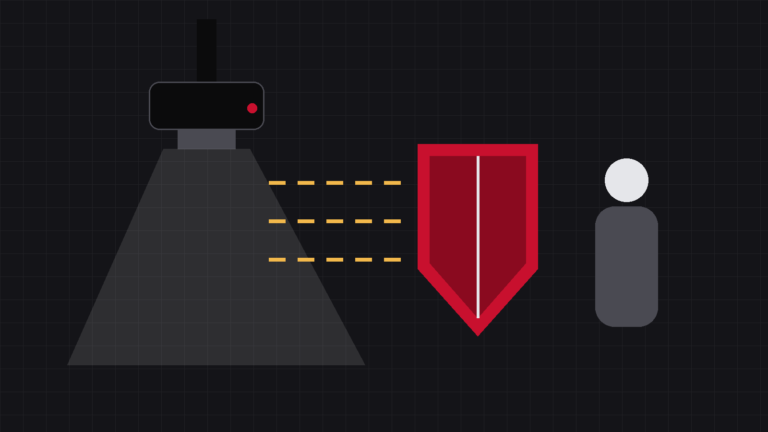
Illustration of a protective shield in front of an X-ray beam

A little badge stops no radiation, so why wear it? And why does a handheld meter show nothing in the X-ray room? Two classes of instrument: one is sent away and comes back as a report, the evidence statutory monitoring accepts; the other counts in real time and alarms, your own self-check tool. Here is the difference, the two traps almost everybody falls into, and the five jobs a meter is genuinely good for.
Your Lead Apron May Already Have Failed

Illustration of a protective shield in front of an X-ray beam

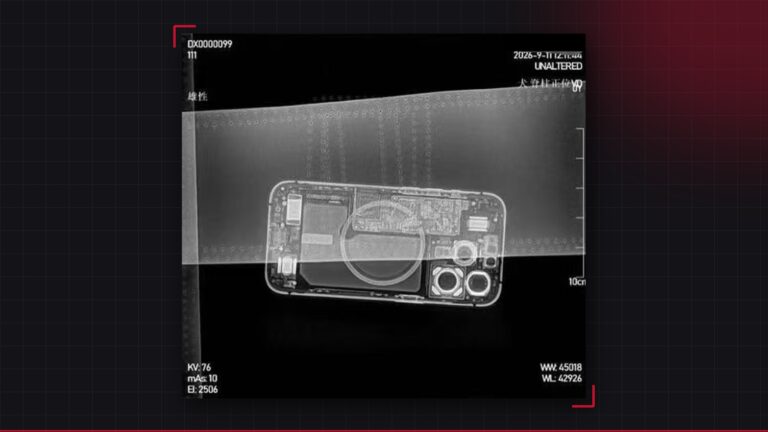
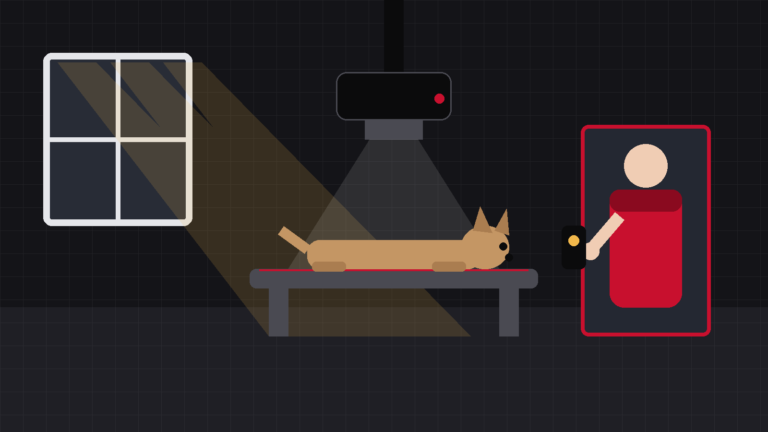
When a lead apron fails you cannot see it from the outside — the fabric looks perfect while the lead rubber inside has split. Checking it costs nothing: lay it flat and image it on your own DR system. On the radiograph, look for anything that is not uniform: a split leaving a gap reads darker, material bunched at a torn edge reads brighter, and both are cracks. Here is how to take the image, how to read it, when to replace, and three habits that make aprons last.

Lead Apron: 0.35 or 0.5 mmPb?

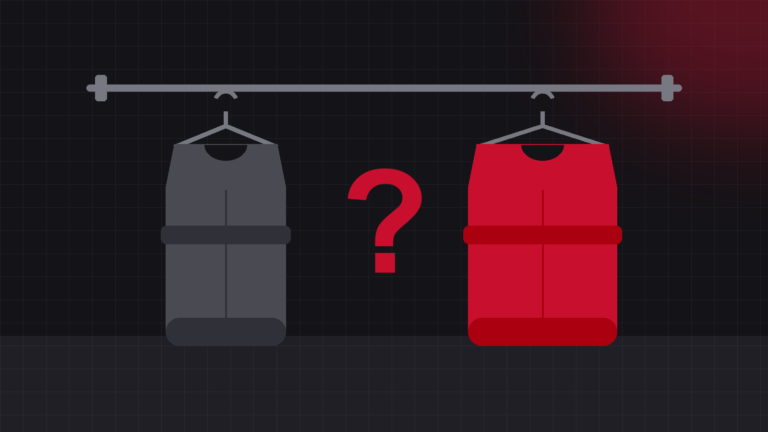
Two lead aprons hanging side by side with a question mark between them

0.25, 0.35, 0.5 — is a bigger number simply better? No. Those three figures describe three situations, not three quality grades. Going from 0.35 to 0.5 buys you roughly what one step backwards buys you, while taking your hands out of the beam is worth orders of magnitude. Here is how to choose by situation, and when 0.5 really is the right answer.