Lead Apron, Thyroid Collar, Lead Glasses: Which One Should You Buy First?
On a tight budget, what order do you buy protective gear in? ICRP's tissue-weighting table gives the answer: torso first, then the neck, and glasses depend on frequency — plus an honest word about lead gloves.
 Veterinary imaging · Core software built in-house
Lead Apron, Thyroid Collar, Lead Glasses:
Which One Should You Buy First?
On a tight budget, what order do you buy protective gear in? ICRP’s tissue-weighting table gives the answer: torso first, then the neck, and glasses depend on frequency — plus an honest word about lead gloves.
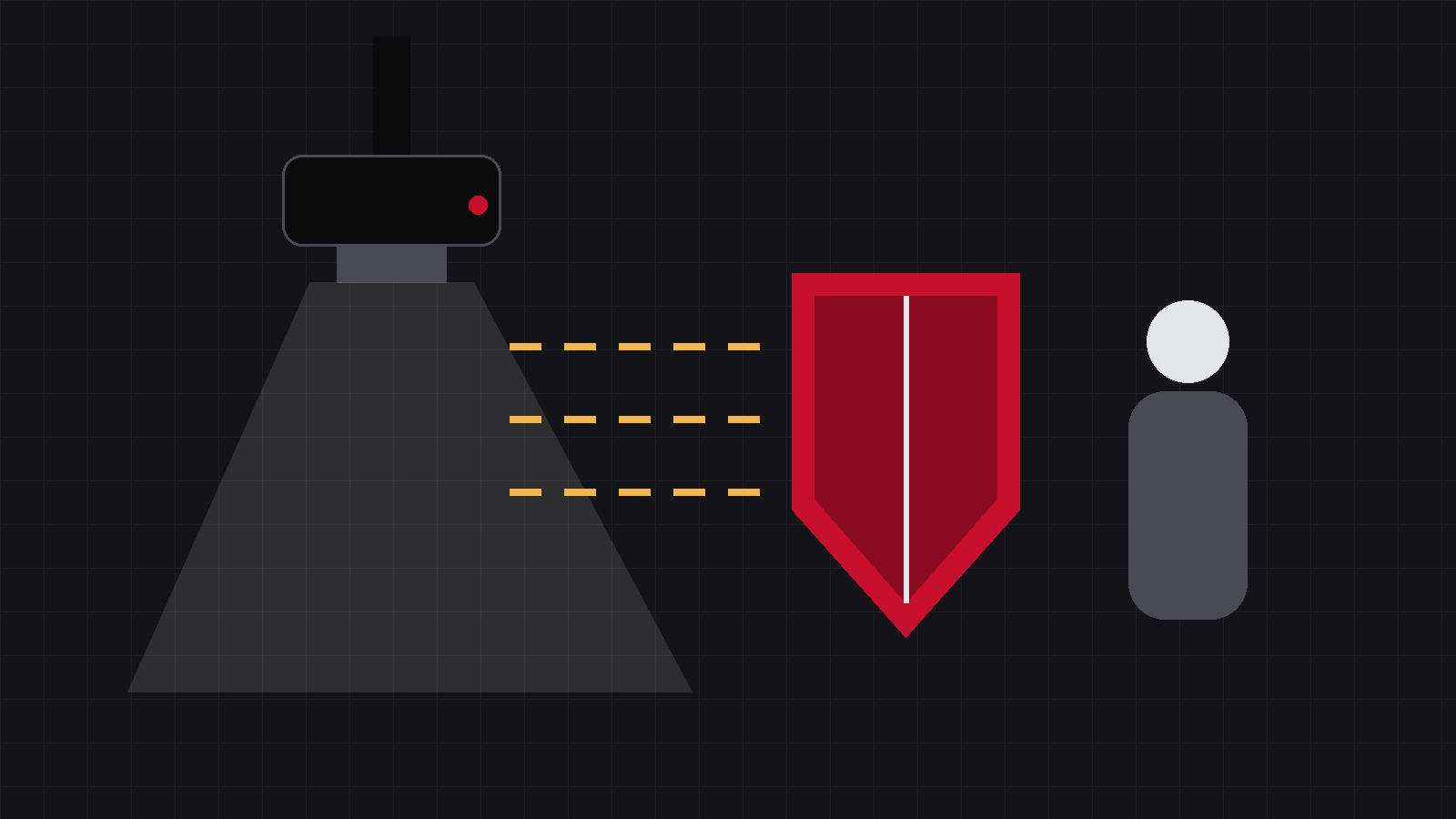
A newly opened clinic has installed its machine and the budget is nearly gone — which protective item comes first? An older clinic has worn the same lead apron for five years — which replacement matters most? Before answering, one thing needs to be clear: different parts of the body are not equally sensitive to radiation.
01Your organs do not fear radiation equally
The International Commission on Radiological Protection (ICRP) assigns every organ a “tissue weighting factor” — the higher the number, the more it matters:
The big scores sit in the torso
At the top are red bone marrow, colon, lung, stomach and breast (0.12 each), then the gonads (0.08), followed by thyroid, oesophagus, liver and bladder (0.04 each).
The lens of the eye
Its problem is not cancer but cataract. In 2011 ICRP sharply lowered the dose limit for the lens — a sign it had been underestimated before.
02Match the table to what each item shields — the order writes itself
First: the lead apron
The torso holds red bone marrow, lungs, stomach, colon and gonads — the highest-weighted organs, all of them. One apron covers the highest-scoring half of the ICRP table. Without an apron, nothing else is worth discussing.
Second: the thyroid collar
The thyroid sits at the front of the neck, above the apron’s collar line, so the apron cannot protect it. It is radiation-sensitive, and scatter bouncing off the animal arrives at exactly that height. Collars are cheap and light — get one.
Third: lead glasses
The eye lens has been getting more attention in recent years. But for most veterinarians shooting static radiographs from the hand-switch position, the eyes are already far enough from the scatter source. If you frequently restrain by hand, do fluoroscopy (dynamic DR), or take intra-operative orthopaedic images — eyes close, exposures many — then lead glasses are due. It depends on frequency; they are not for everyone.
And lead gloves? Not a pass into the beam
Lead gloves create the most dangerous illusion of all: that wearing them makes it acceptable to put your hands into the X-ray field. Wrong. The primary beam carries orders of magnitude more energy than scatter; a thin leaded glove stops very little of it and hampers your handling. Keeping hands out of the field beats wearing gloves a hundred times over. Gloves are for the person whose hands must, unavoidably, come near the edge of the field — they are not a licence to enter it.
03Choosing thickness, and caring for what you own
The 0.25 / 0.35 / 0.5 mmPb marked on an apron is its lead equivalence — a bigger number stops more, and weighs more. In a veterinary clinic shooting static radiographs, what you are blocking is mainly scatter, not the primary beam; for the exact thickness, follow your local radiation-protection requirements and the advice of your inspection body. And remember one thing: thicker means heavier — after a whole morning your back will tell you that thicker is not automatically better.
Three care rules that matter more than buying new
① Store aprons hanging, never folded — creases crack the lead rubber inside, and the cracks are invisible from outside;
② Check for cracks once a year under fluoroscopy or a radiograph — ask your inspection body to do it while they visit, or image the apron on your own machine;
③ If it is cracked, replace it. Do not make do.
Two of those three cost nothing and can be done today.
Torso first, then the neck; glasses by frequency.
Hands out of the field beats any glove.
Source:Tissue weighting factors — ICRP Publication 103 (2007); lowered occupational dose limit for the eye lens — ICRP statement of 2011 (recommended 20 mSv/year). For lead-equivalence selection, follow local radiation-protection requirements.
IWA Medical · We build DR systems and write our own core software
Questions about veterinary DR imaging? Technical questions go straight to our engineers.
[…] an apron on your own machine is a recognised way of inspecting it every year; we covered it in issue 5 of this series. What you look for is not “can I see what is under the apron” but whether the apron itself has […]
[…] earlier article Lead apron, thyroid collar, lead glasses: which first? covered what to buy in what order; this one covers how thick. Together they come to one sentence: […]
[…] this is the practical version of the “check it once a year” line from issue 5. Any clinic with its own DR system can do this for free — once a year, ideally folded into the […]