
Is Your Pet Safe During an X-ray?
The six questions owners ask while waiting outside the imaging room: is there radiation, can I hug my pet afterwards, how much is one picture, why wait outside, what about pregnancy and children, and do repeat X-rays add up? All answered on one page clinics can share with owners.
 Veterinary imaging · Core software built in-house
Is Your Pet Safe
During an X-ray?
The six questions owners ask most while they wait outside the imaging room — all answered here, in about two minutes.
Your vet says your pet needs an X-ray, and a few thoughts go through your mind. Is there radiation? Can I hold them afterwards? Why do I have to wait outside? Those are all fair questions. Here are the six we hear most often.
01About the radiation itself
Does an X-ray involve radiation?
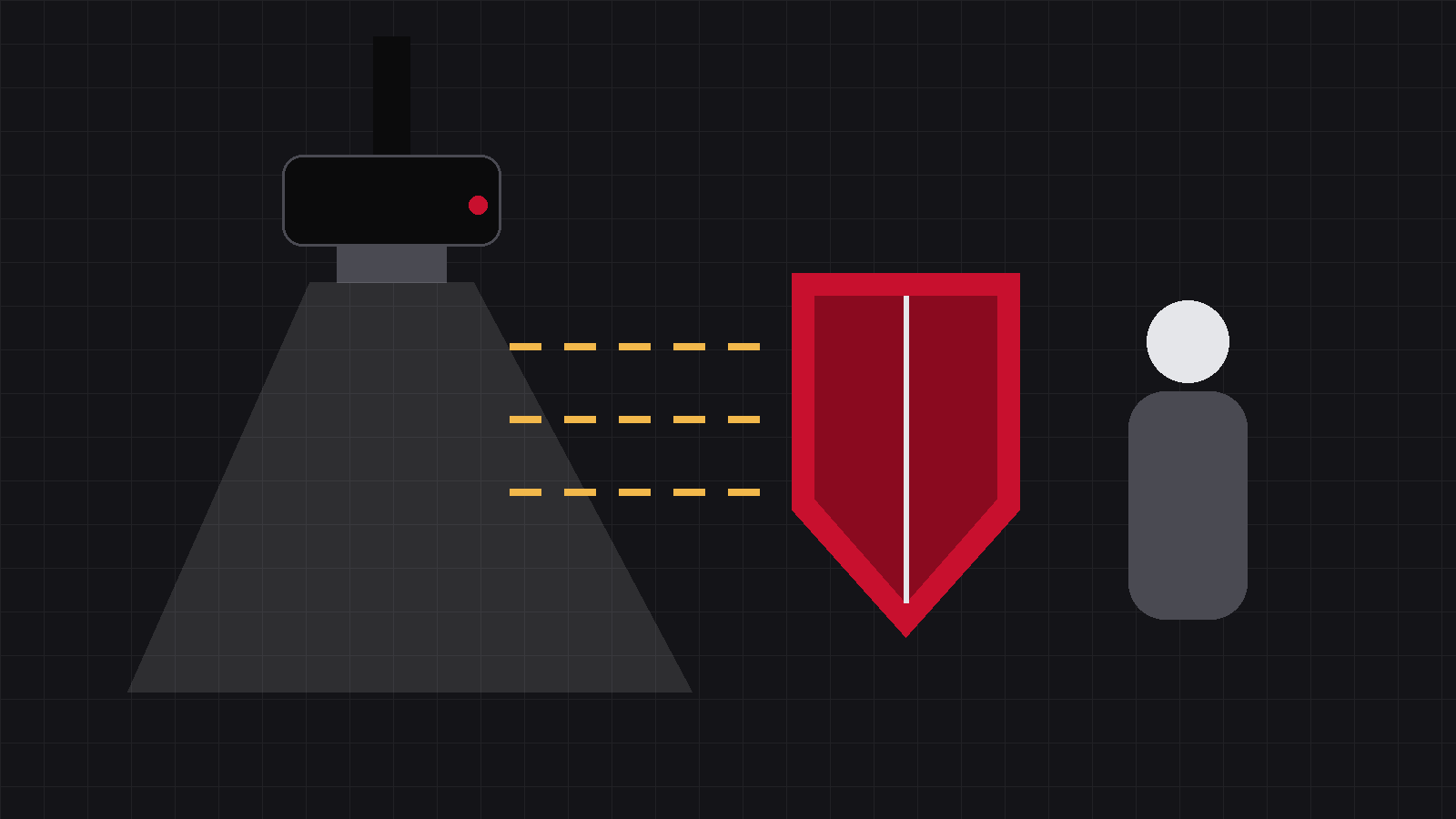
Yes, but a very small amount — and it only exists in the instant the button is pressed. Think of a flashlight: there is light while it is on, and none once it is off.
Is there any radiation left on my pet afterwards?
No. X-rays pass through the body and are gone. Nothing stays in the fur, on the skin, or inside the body. The moment the picture is taken you can hold your pet, kiss them, and take them home to the kids.
An X-ray is a beam of light, not a substance
The light goes out, passes through the body, lands on the image plate, and then it is over. Switch a flashlight off and no light stays behind in the room.
02About this one picture
How much radiation is in it?
Here is a human comparison:
One chest X-ray for a person is roughly the same as about ten days of the natural radiation we all receive anyway — from the sun, the soil and the air, every single day. That part is completely normal.
Cats and dogs are smaller than people and the machine uses lower energy for them, so it is usually less than that. A paw or a leg is far lower again than a chest or an abdomen.
03About you and your family
Why am I asked to wait outside?
In the instant the picture is taken, a small amount of the beam scatters around inside the room. Waiting outside saves you even that much — not because it is dangerous in there, but because there is no reason to take any dose you do not have to.
I am pregnant, or I have a young child with me. What should we do?
Simply stay out of the room while the picture is being taken. Afterwards there is no radiation in the room and none on your pet, so holding them, kissing them, and letting your child stroke them is completely fine.
04About repeat check-ups
My pet needs repeat X-rays. Does it build up?
Each picture is a very small amount. When the vet books a follow-up it is because the illness needs it — and the benefit of a picture that is genuinely needed far outweighs that small amount of radiation. The clinic also does three things every time to keep each one as low as it can be.
All three happen at every visit. All you have to do is wait outside for a moment, then carry your pet home.
This clinic’s imaging equipment and workflow follow the principles of radiation protection: an X-ray is taken only when there is a reason for it, the dose is kept as low as it reasonably can be, and the whole process stays under control. If anything is still unclear, please ask your vet.
Clinics are welcome to print this page for their waiting room or imaging-room door, so owners can read it while they wait — if you would like a print version, get in touch with us.
Provided by IWA Medical · 5,000+ systems installed worldwide — cumulative since 2016, as of July 2026
Once the picture is taken, it is gone.
Safe to hug, safe to take home.
Source:One human chest X-ray ≈ about 10 days of natural background radiation — RadiologyInfo.org (the patient-information site of ACR/RSNA); natural background radiation — UNSCEAR. This page is general information for pet owners and does not replace your vet’s judgement on an individual case.
IWA Medical · We build DR systems and write our own core software
Questions about veterinary DR imaging? Technical questions go straight to our engineers.