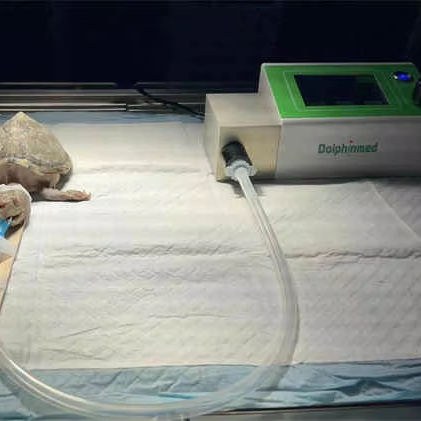
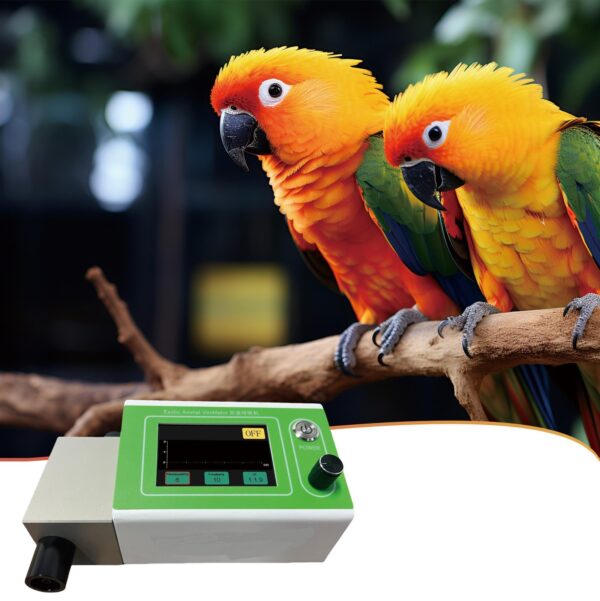
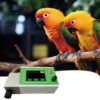
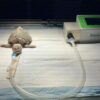
Bench-top precision ventilation for exotic and small-animal anesthesia.
Product Overview
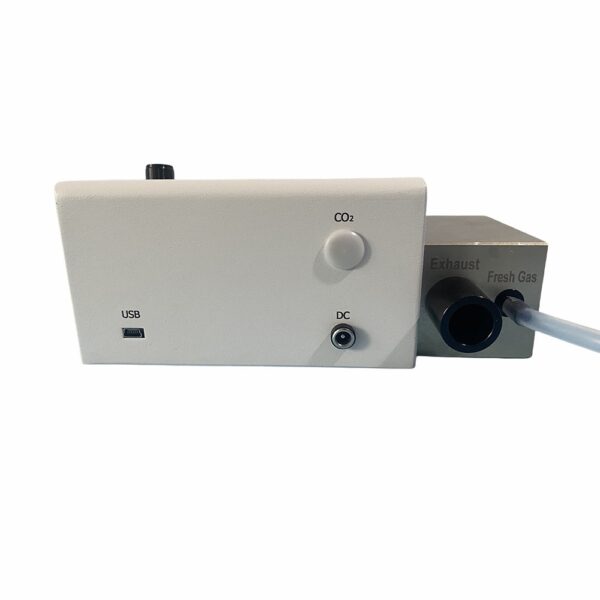
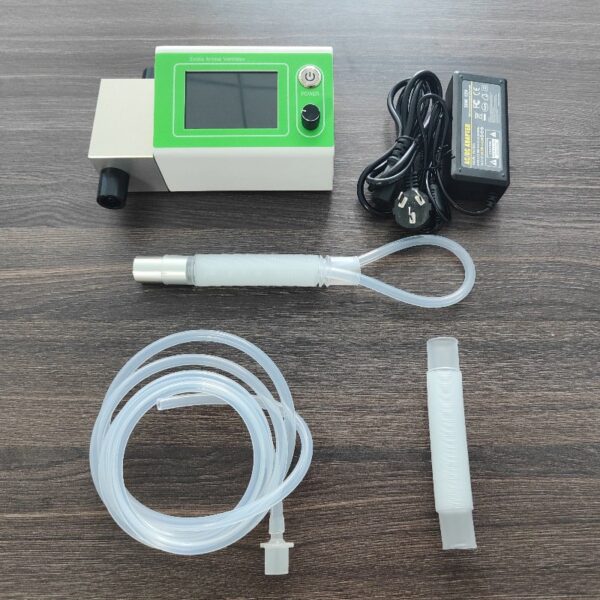
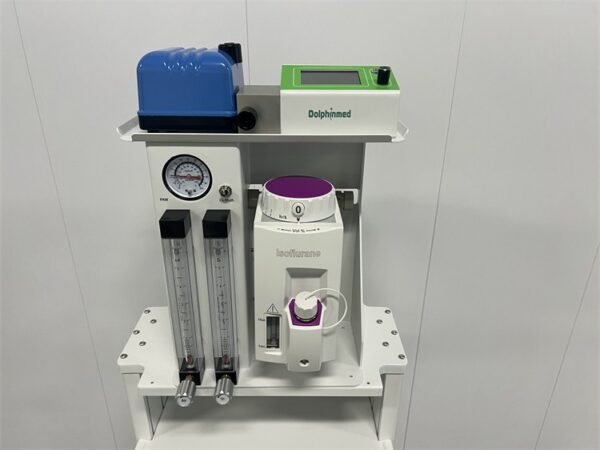
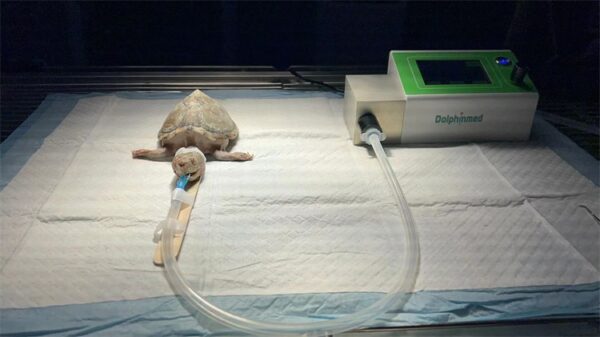
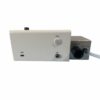
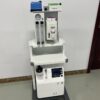
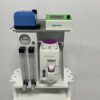
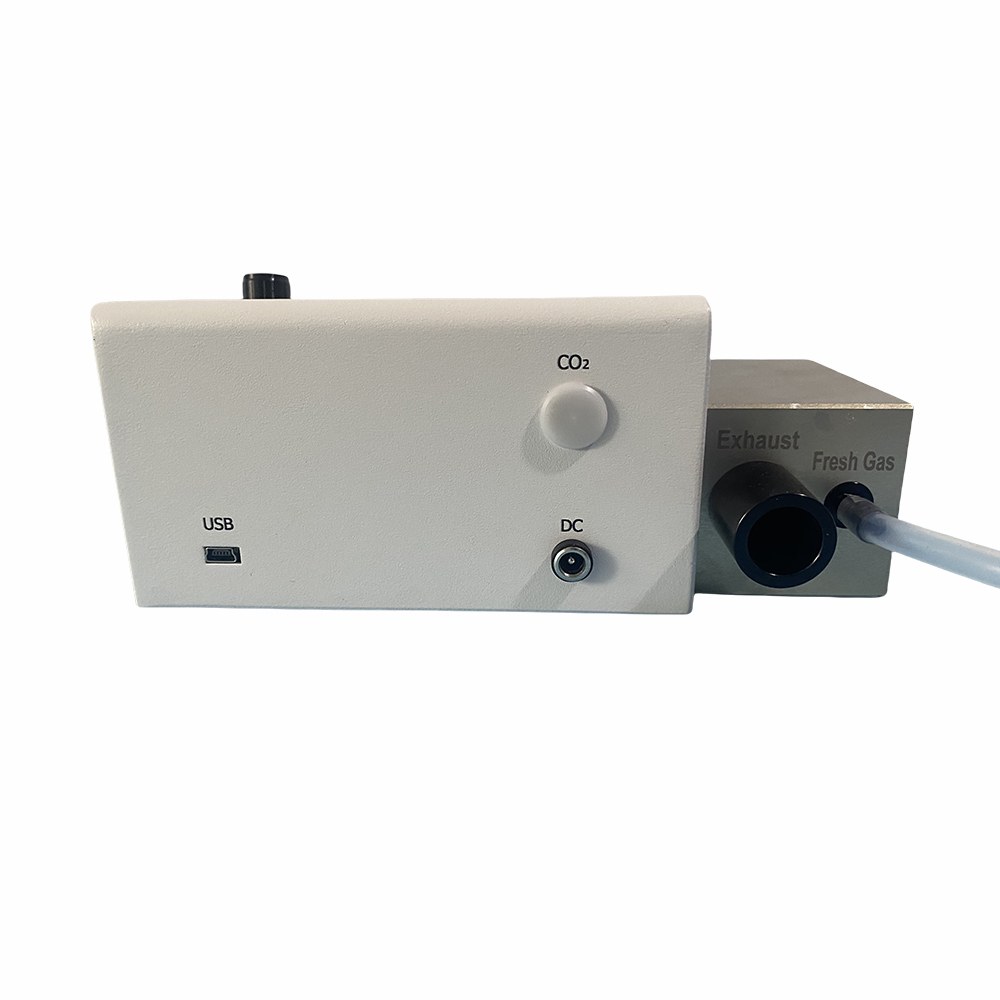
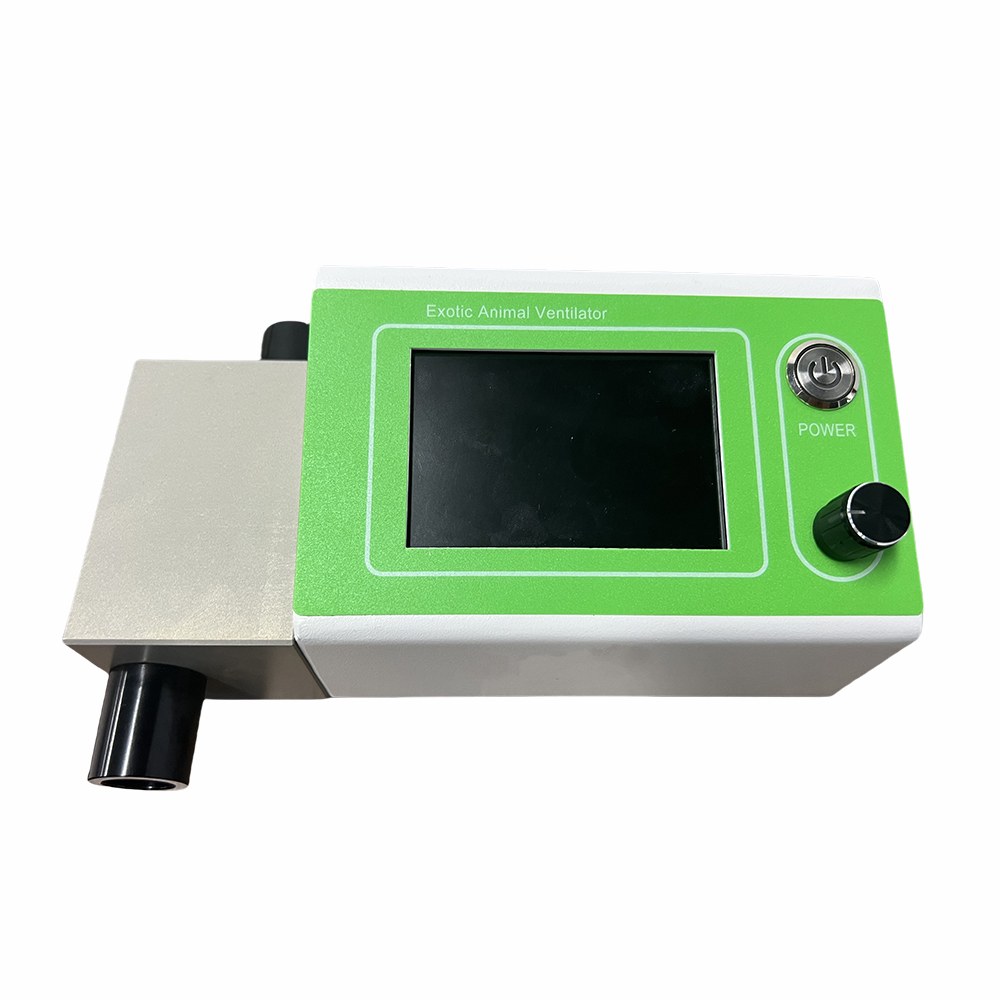
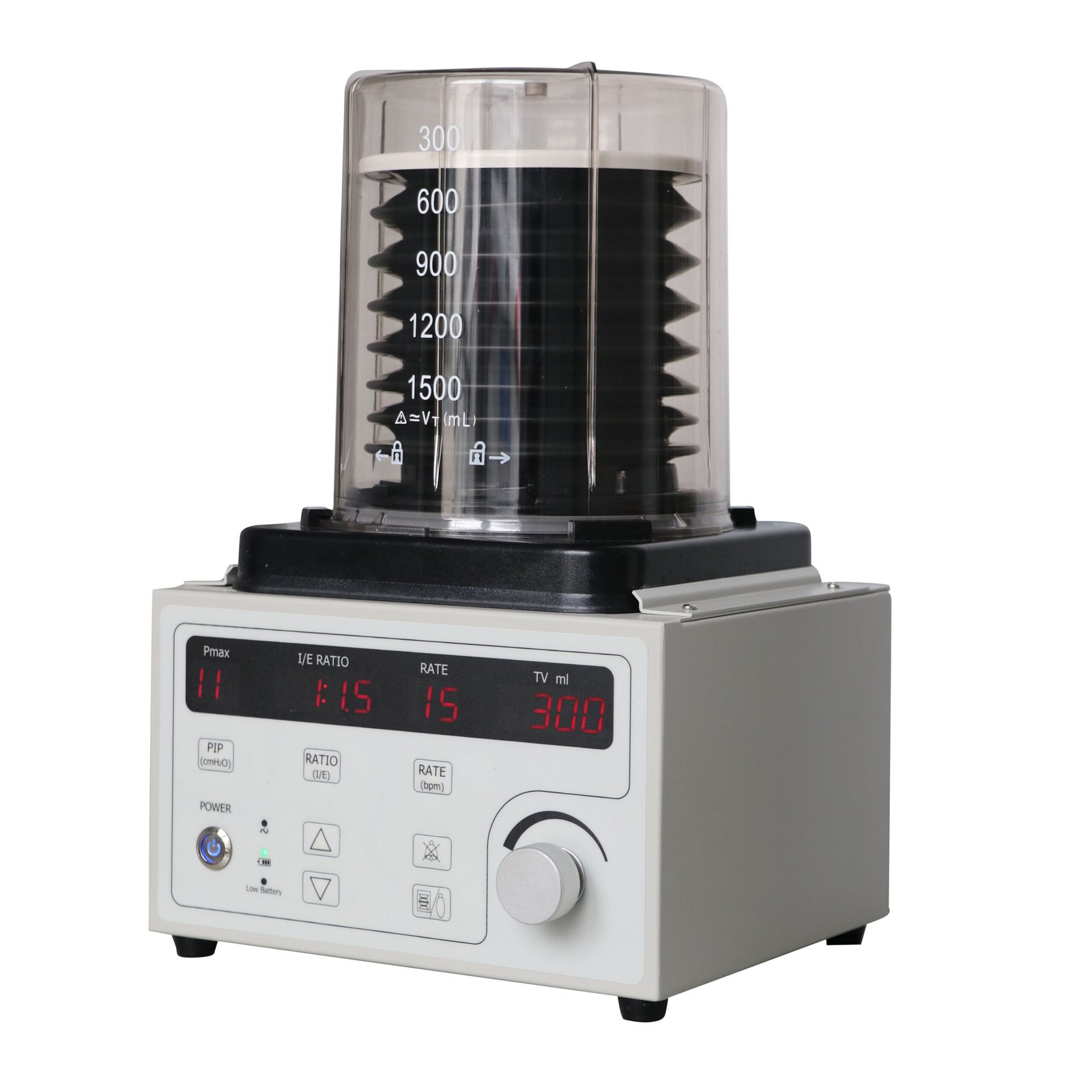
IWA-Ven10 is a compact tabletop veterinary ventilator built for cases where the patient is too small for a full-size anesthesia workstation — exotics, reptiles, rodents, and the lower body-weight band of canine and feline practice. The footprint fits on any OR surgical table or anesthesia trolley, the unit runs on a DC adapter (no compressed air required), and the rear connector block exposes fresh-gas, exhaust, and CO₂ sensor ports for direct integration with a circle or non-rebreathing anesthesia circuit. A USB port supports firmware service.
Key Features
- Designed for small / exotic patients — bench-top form factor, low minimum tidal volume, suitable for reptiles, rodents, and the smallest canine/feline cases
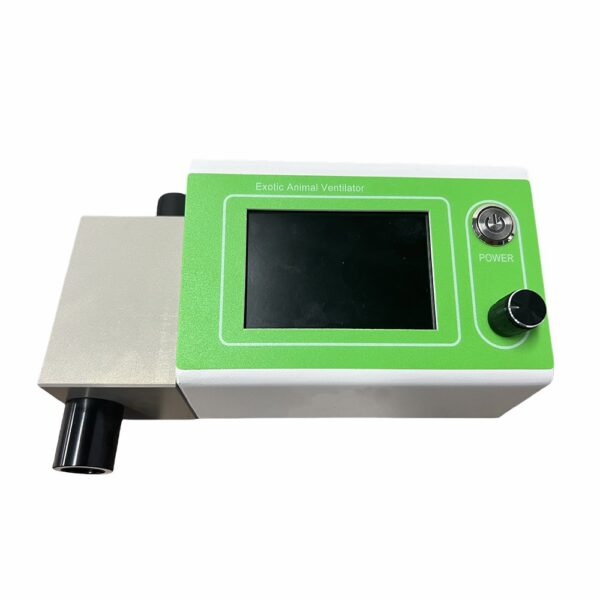
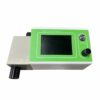
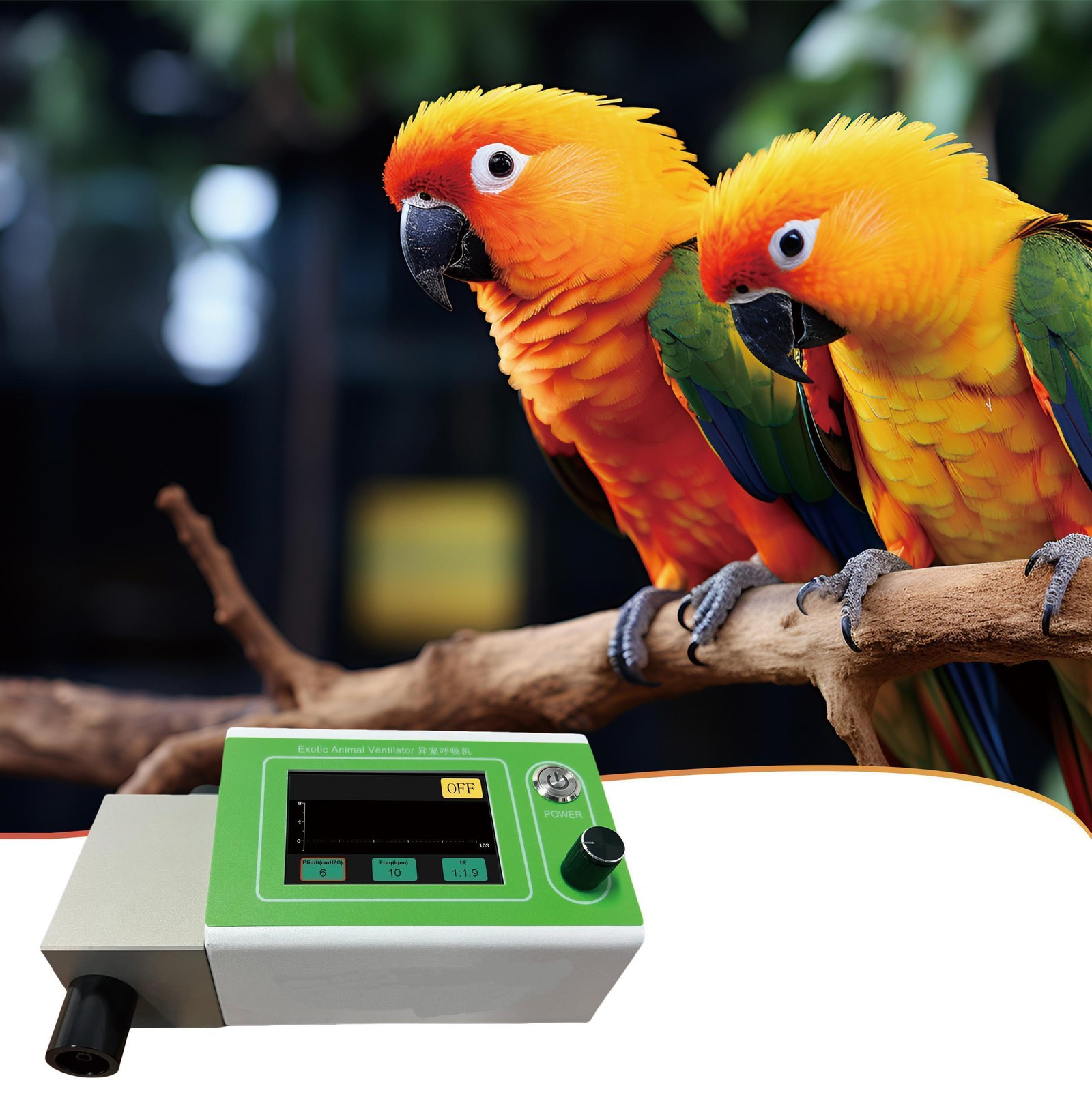
- Color display with on-screen parameters — tidal volume, respiratory rate, pressure, and alarms surfaced at a glance
- DC-powered (no drive gas required) — runs from supplied AC/DC adapter; no compressed-air or wall-supply dependency
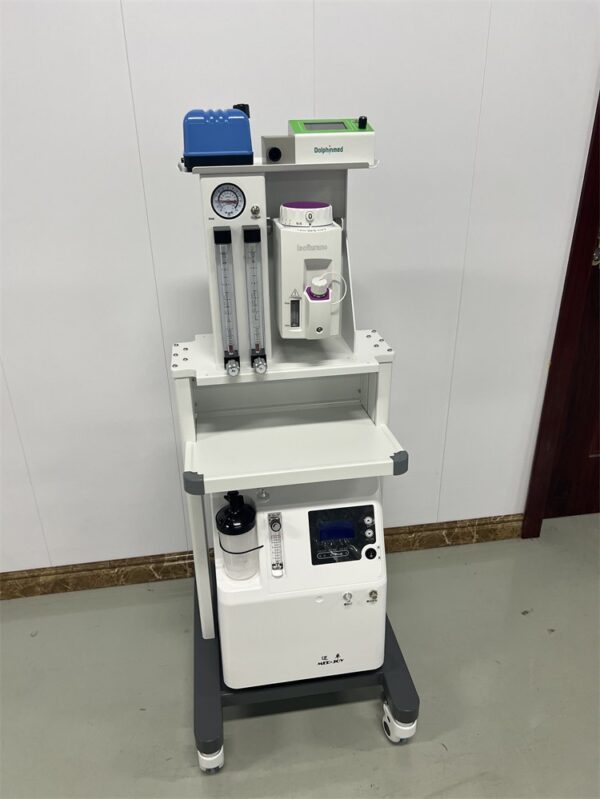
- Direct fresh-gas / exhaust connectors — integrates with a circle or non-rebreathing circuit on any existing anesthesia machine
- Optional CO₂ sensor port — sidestream capnography input on the rear connector block
- USB service port — for firmware update and service diagnostic
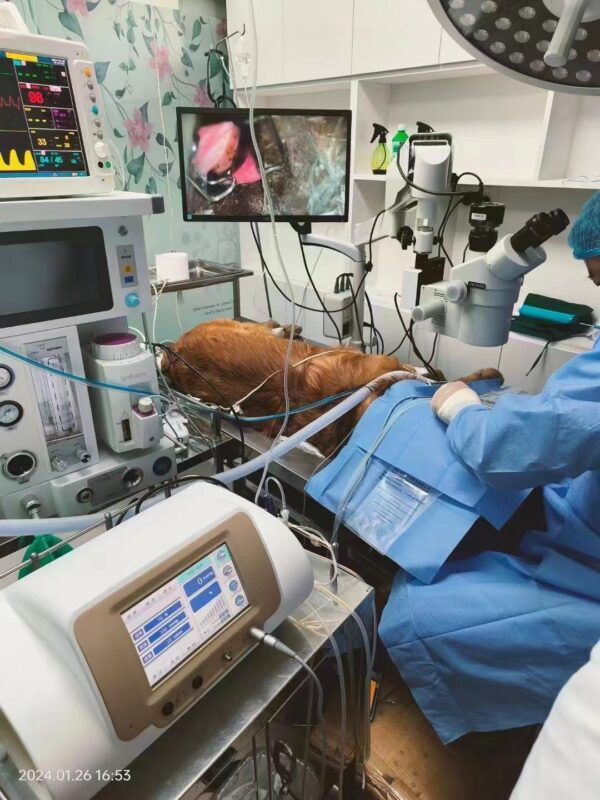
- Tabletop footprint — fits on the surgical table, anesthesia trolley, or rodent surgery platform without taking floor space
- Quiet operation — bench-top use beside the patient is tolerable for staff and reduces patient stimulation
Visual Evidence
Technical Specifications
| Model | IWA-Ven10 |
| Configuration | Tabletop bench-top ventilator |
| Display | Color LCD with on-screen parameters |
| Tidal volume range | [TBC — designed for exotic and small-animal use] |
| Respiratory rate range | [TBC] |
| Pressure range / limit | [TBC] |
| I:E ratio range | [TBC] |
| Ventilation modes | [TBC supplier mode list] |
| Fresh-gas inlet | Standard 22 mm anesthesia circuit connector |
| Exhaust outlet | Standard 22 mm anesthesia circuit connector |
| CO₂ sensor port | Sidestream port (sensor optional) |
| Service port | USB |
| Power supply | DC via supplied AC/DC adapter ([TBC voltage / amperage]) |
| Net weight | [TBC] |
| Dimensions | [TBC] |
Clinical Applications
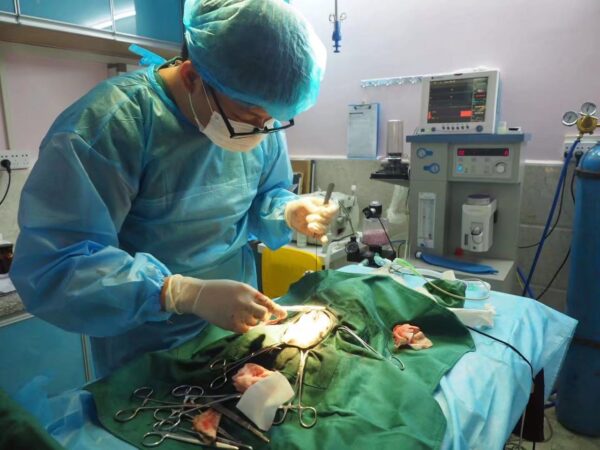
- Exotic and reptile anesthesia where standard veterinary ventilators are oversized
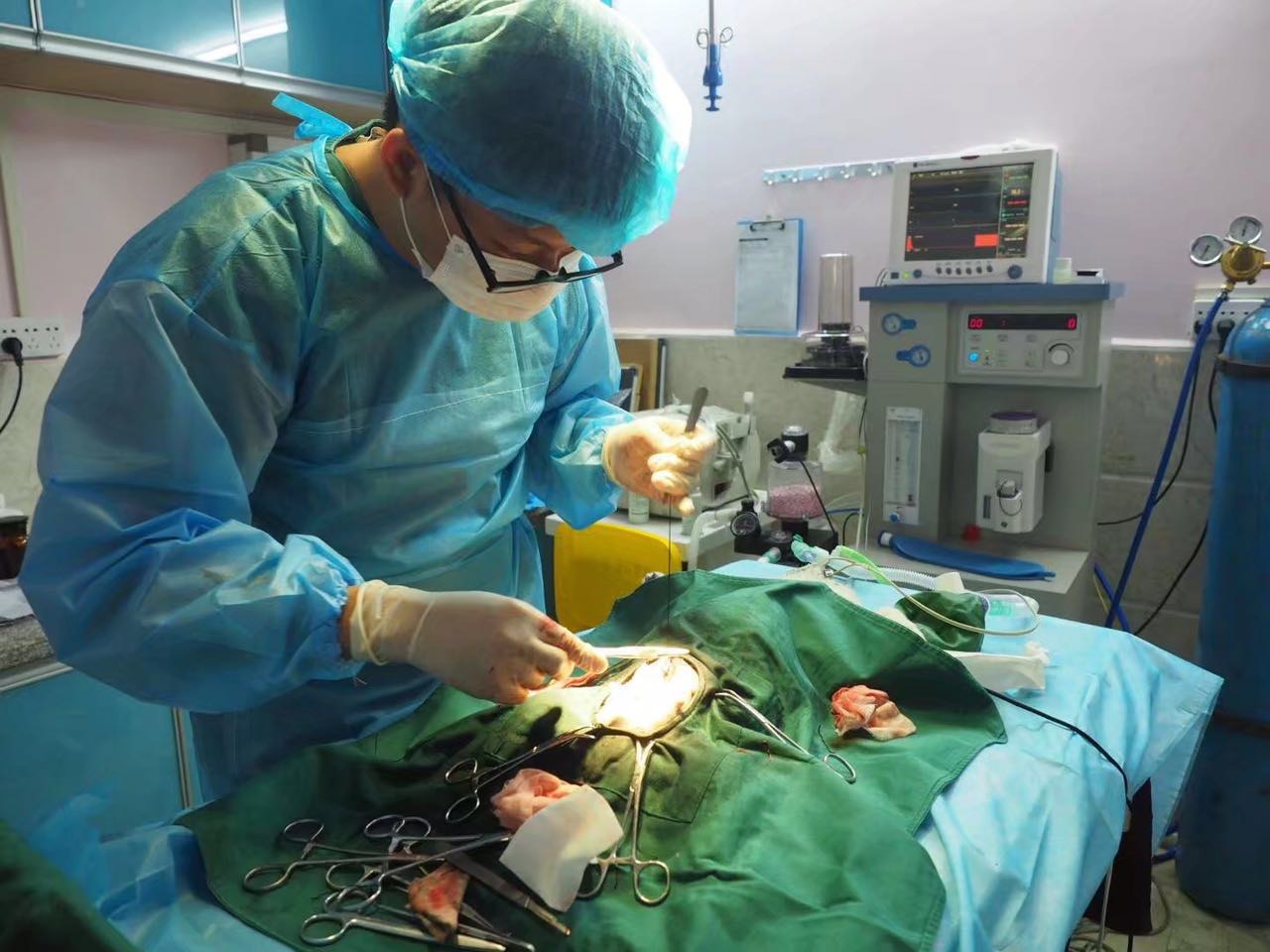
- Rodent and small-mammal surgical and research anesthesia
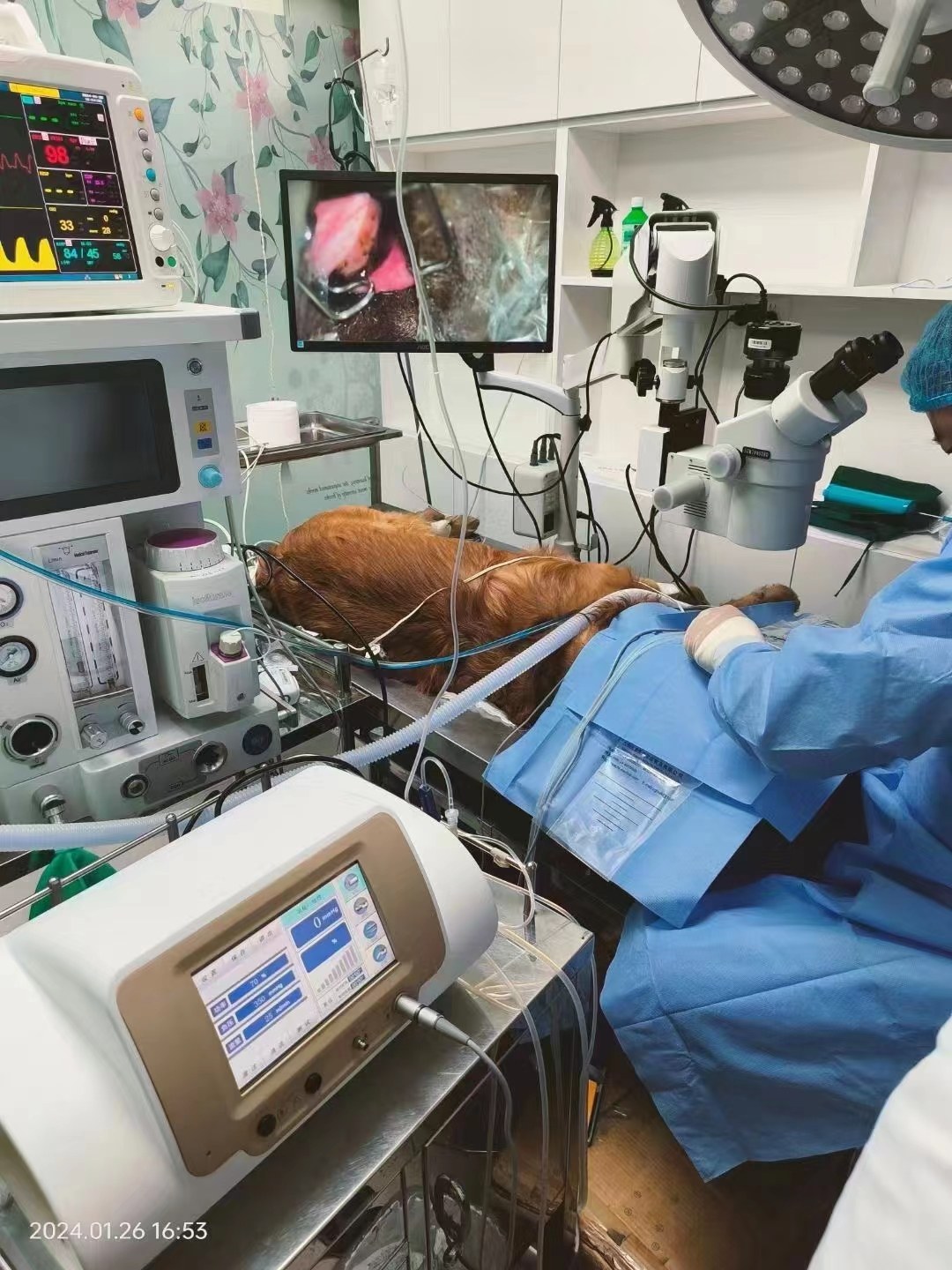
- Smallest canine and feline patients where tidal volumes fall below typical large-machine minimums
- Mobile or ambulatory anesthesia for small patients (no compressed air required)
- Adjunct ventilation in laboratory and teaching settings
Installation & Workflow Notes
- Bench-top placement on the surgical table, trolley, or rodent platform — no cart required
- Connect Fresh Gas inlet to anesthesia machine fresh-gas outlet (or ACGO)
- Connect Exhaust outlet to scavenging system
- (Optional) attach CO₂ sensor cable to capnography port
- Power on via DC adapter; verify alarm and pressure limit settings before connecting patient
- USB port reserved for firmware update — do not connect during clinical case
Package Contents
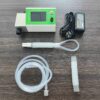
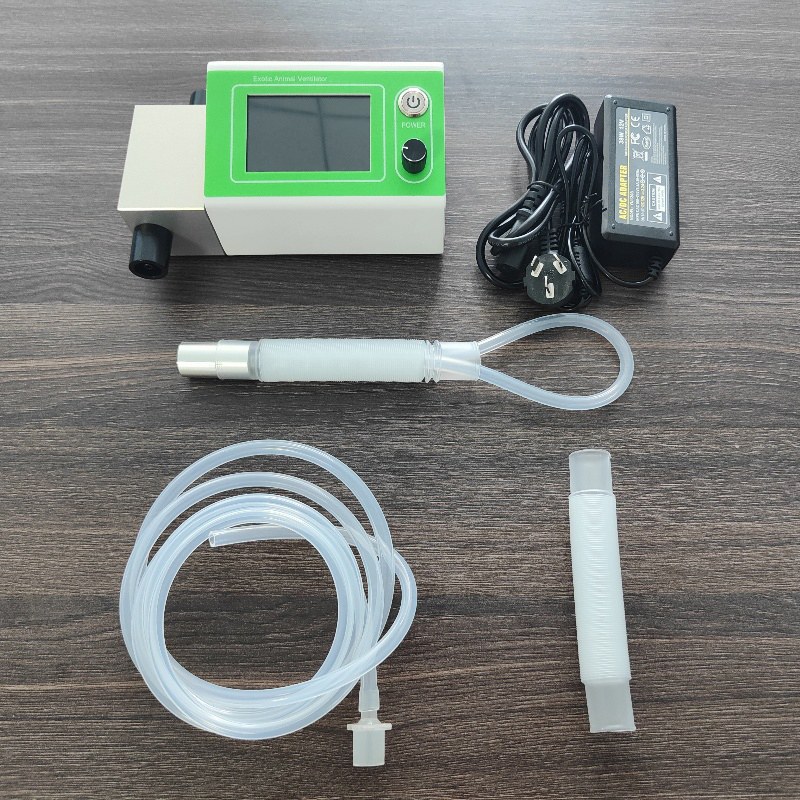
- Main ventilator unit × 1
- AC/DC power adapter × 1
- Patient circuit / Y-piece with corrugated tubing
- Connector accessories
- Operating manual and warranty documentation
- [TBC: CO₂ sensor if ordered as optional]
Why Choose IWA-Ven10
- Right-sized for small patients — accurate ventilation for tidal volumes that fall below typical large-machine minimums
- No compressed-air infrastructure — DC-powered; deploys in any room with mains outlet, mobile clinic, or field unit
- Integrates with existing anesthesia machine — standard 22 mm fresh-gas / exhaust connectors
- Capnography ready — optional CO₂ sensor port avoids buying a separate capnograph
- Compact footprint — fits next to the patient without taking OR floor space
FAQ
What patient size range does this ventilator cover? IWA-Ven10 is engineered for exotic, reptile, rodent, and small canine/feline patients. Exact tidal volume range [TBC — confirm with supplier datasheet before clinical use].
Does it need compressed air or O₂ to drive the ventilator? No. The ventilator is DC-powered. Fresh gas (O₂ ± inhalant) is supplied separately from your anesthesia machine through the Fresh Gas inlet.
Can I add capnography? Yes. The rear connector block includes a CO₂ sensor port for sidestream capnography (sensor optional).
What is the USB port for? Firmware service update and diagnostic logging. It is not intended for patient data export during clinical cases.
Does it integrate with my existing anesthesia machine? Yes. Connect Fresh Gas inlet to the anesthesia machine fresh-gas outlet (or ACGO if available), and route Exhaust to the scavenging system.
Reviews
There are no reviews yet.